
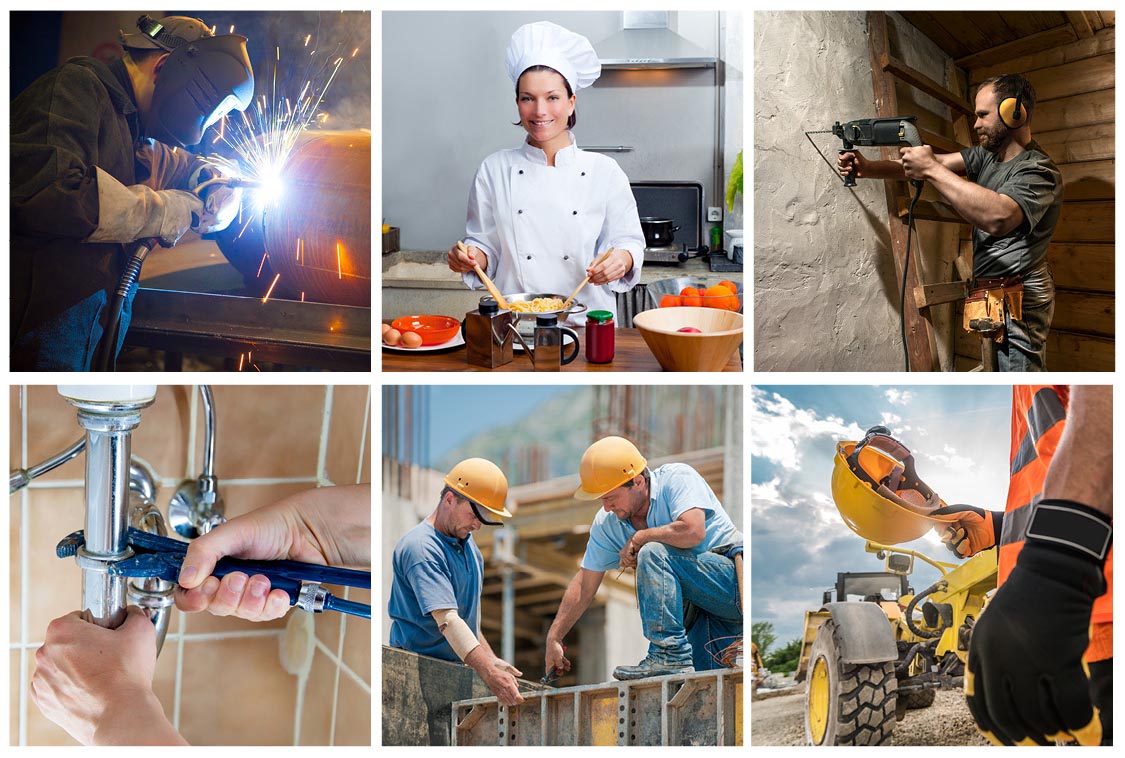
On a busy morning, a city wakes up. Lights turn on, water flows through pipes, roads are repaired, and buildings rise steadily into the sky. Most people don’t think about it—but behind all of this is a group of professionals who keep everything running.
They are electricians, plumbers, technicians, mechanics, welders—people who work with their hands, tools, and real-world problems.
For a long time, these careers were quietly pushed aside. Students were told that success meant a college degree, an office job, and a fixed path. Skilled trades were often seen as a backup option.
But something interesting is happening now.
These careers are making a strong comeback—and not just as an alternative, but as a smart, stable, and often high-paying choice. Across the world, there is a growing demand for skilled workers, and not enough people to fill these roles.
Let’s explore why this shift is happening, and why these careers are becoming more valuable than ever.
The Return of Practical Skills in a Changing World
In a world filled with screens and software, practical skills are becoming rare—and that makes them valuable.
Think about it. When something breaks in your home, you don’t call an app—you call a person. When a building needs to be constructed, maintained, or repaired, it requires skilled hands, not just digital tools.
This is why careers like electricians, plumbers, and HVAC technicians are in high demand. They deal with real systems—electricity, water, heating, and cooling—things that are essential for daily life.
These jobs cannot be easily automated. Every home, every building, every situation is different. It requires problem-solving, experience, and the ability to adapt.
Construction is another area seeing strong growth. Carpenters, masons, and construction workers are needed to build homes, offices, and infrastructure. As cities expand and populations grow, the demand for these roles continues to increase.
Automotive work is also evolving. Cars are becoming more advanced, but they still need maintenance and repair. This creates opportunities for automotive technicians and mechanics, especially those who understand modern systems.
There is also demand for welders and metal workers, who play a key role in industries like manufacturing, construction, and infrastructure.
These careers may not always be in the spotlight, but they form the foundation of everyday life.
High Demand, Strong Income, and Job Security
One of the biggest reasons skilled trades are making a comeback is simple—demand.
In many countries, there is a shortage of skilled workers. Older professionals are retiring, and fewer young people are entering these fields. This gap is creating strong opportunities for those who choose this path.
And with demand comes better income.
Many skilled trades offer competitive salaries, sometimes even higher than entry-level office jobs. Experienced professionals can earn well, especially if they specialize or start their own businesses.
For example, a skilled electrician or plumber with years of experience can build a steady and profitable career. Some even go on to run their own companies, hiring others and expanding their work.
Another advantage is job security. While some industries are affected by automation or economic shifts, skilled trades remain essential. People will always need homes, repairs, and maintenance.
Training for these careers is also more practical and often shorter. Instead of spending years in traditional education, many people enter through apprenticeships, vocational training, or certification programs. This allows them to start earning earlier.
There is also less student debt involved compared to many degree-based careers, which is becoming an important factor for young people.
And let’s not forget something important—these jobs are active. They involve movement, problem-solving, and real-world tasks. For those who don’t enjoy sitting at a desk all day, this can be a major advantage.
Modern Skilled Trades and New Opportunities
Skilled trades are not stuck in the past. They are evolving with technology and creating new opportunities.
Take the rise of renewable energy. As the world moves toward cleaner energy, there is growing demand for solar panel installers and wind turbine technicians. These roles combine traditional skills with modern systems.
Smart homes are another example. Houses are now equipped with advanced technology, from automated lighting to security systems. This creates opportunities for smart home technicians and system installers.
Electric vehicles are changing the automotive industry. This means EV technicians and battery specialists are becoming increasingly important.
Even construction is becoming more advanced. Modern tools, digital planning, and sustainable materials are transforming how buildings are designed and built. This creates roles for technically skilled construction professionals who can work with both tools and technology.
There is also growing interest in specialized trades. Elevator technicians, industrial maintenance workers, and equipment operators are all in demand, often offering strong pay and stability.
Entrepreneurship is another path within skilled trades. Many professionals start as workers and later build their own businesses. Whether it’s a plumbing service, an electrical company, or a repair business, there are many ways to grow.
These careers are no longer just about manual labor—they are about skill, precision, and adaptability.
The comeback of skilled trades is not just a trend. It is a reminder of something important.
Not every successful career needs a degree.
The world needs people who can build, fix, and maintain the systems we rely on every day. It needs people who can work with their hands, think on their feet, and solve real problems.
For students and professionals exploring their options, this opens up a new perspective.
A career does not have to follow a traditional path to be meaningful or successful. Skilled trades offer stability, growth, and the chance to see the results of your work in a very real way.
There is also a sense of independence in these roles. Many skilled workers have the freedom to choose their projects, set their schedules, and build something of their own.
Of course, these careers require effort, training, and dedication. But they also offer rewards that go beyond money—confidence, experience, and the satisfaction of solving real-world problems.
Because in the end, while technology continues to grow, the world will always need people who can turn plans into reality.
And that is something no machine can fully replace.