
Early in the morning, someone opens a laptop at a kitchen table. In another part of the world, a freelancer logs in from a quiet café. Somewhere else, a team meeting begins with faces from different countries appearing on the same screen.
This is not a temporary shift. It is a new way of working.
Remote work, once seen as an exception, has now become a normal part of professional life. Companies have realized that work does not always need an office. Employees have discovered the freedom of working from anywhere. And technology has made it all possible.
But remote work is not just about location. It is about a deeper change in how jobs are designed, how teams collaborate, and how careers are built.
If you look ahead, you will see that many careers are not only suitable for remote work—they are built for it. And these careers will continue to grow across the globe.
Let’s explore where these opportunities lie.
Digital and Tech Careers Leading the Remote Work Movement
At the center of remote work growth are digital and technology-based careers.
Software development is one of the strongest examples. Software Developers and Full Stack Engineers can build applications, websites, and systems from anywhere in the world. Their work only requires a computer, the right tools, and a stable internet connection.
Data-related roles are also highly adaptable to remote work. Data Scientists and Data Analysts can collect, analyze, and interpret data without needing to be physically present in an office. Their insights help companies make important decisions.
Cloud computing has made remote work even more effective. Cloud Engineers and DevOps Specialists manage systems that allow teams to collaborate and access resources from different locations.
Cybersecurity is another key area. As more people work remotely, protecting digital systems becomes even more important. This creates opportunities for Cybersecurity Experts who can monitor and secure networks from anywhere.
Artificial intelligence is also contributing to remote work growth. AI Engineers and Machine Learning Specialists can develop models and systems without being tied to a specific location.
Web development and design roles are naturally suited for remote work as well. Web Developers, UX/UI Designers, and Product Designers can collaborate with teams online to create user-friendly digital experiences.
These careers are not just remote-friendly—they are driving the entire remote work ecosystem.
Creative and Communication-Based Remote Careers
Beyond technology, many careers built on creativity and communication are thriving in a remote environment.
Content creation has become a global phenomenon. Content Creators, Bloggers, YouTubers, and Podcasters can build audiences and businesses from anywhere. With the right ideas and consistency, location becomes almost irrelevant.
Digital marketing is another area that fits naturally with remote work. Digital Marketers, SEO Specialists, and Social Media Managers help businesses reach their audiences online. Their work involves strategy, creativity, and analysis—all of which can be done remotely.
Writing and editing roles are also growing. Freelance Writers, Copywriters, and Editors work with clients across the world, creating content for websites, advertisements, and publications.
Graphic design and visual content creation are equally flexible. Graphic Designers and Visual Artists can create logos, branding materials, and digital assets without needing to be in a physical office.
Online education is expanding rapidly. Online Tutors, Course Creators, and Instructional Designers are helping people learn new skills through digital platforms. This makes education accessible across borders.
Customer support is also moving online. Remote Customer Support Specialists and Virtual Assistants help businesses manage operations, respond to customers, and handle daily tasks.
Even consulting roles are becoming remote-friendly. Business Consultants, Career Coaches, and Advisors can work with clients through video calls and online tools.
These careers show that communication and creativity can travel across borders, making remote work a truly global opportunity.
Remote Careers Shaped by Global Business and Lifestyle Trends
As remote work becomes more common, new types of careers are emerging.
Companies are now building fully remote teams. This creates demand for Remote Project Managers and Team Coordinators who can manage workflows, timelines, and communication across different time zones.
Human resources is also adapting to this shift. Remote HR Professionals and Talent Acquisition Specialists are responsible for hiring, onboarding, and managing employees in a distributed work environment.
E-commerce is growing rapidly, and much of its work can be done remotely. This creates opportunities for E-commerce Managers, Product Listing Specialists, and Online Store Operators.
Finance and accounting roles are also becoming remote-friendly. Remote Accountants, Financial Analysts, and Bookkeepers can manage financial records and provide insights without being tied to a specific location.
There is also a rise in freelance and gig-based work. Platforms are connecting professionals with clients globally, allowing individuals to work on multiple projects. This makes freelancing a viable career path in areas like design, writing, programming, and marketing.
Entrepreneurship is another growing trend. Many people are starting online businesses, from digital products to service-based ventures. This allows them to work independently and reach a global audience.
The concept of “digital nomads” is also gaining popularity. These are individuals who work remotely while traveling, combining work and lifestyle in new ways.
Even traditional industries are adapting. Legal services, consulting, and education are finding ways to operate remotely, creating new possibilities for professionals.
These trends show that remote work is not limited to specific roles—it is expanding across industries.
The growth of remote work is not just about convenience. It is about freedom, flexibility, and new opportunities.
For individuals, it means the ability to choose where and how they work. For companies, it means access to talent from around the world. And for the global workforce, it means a shift toward a more connected and inclusive future.
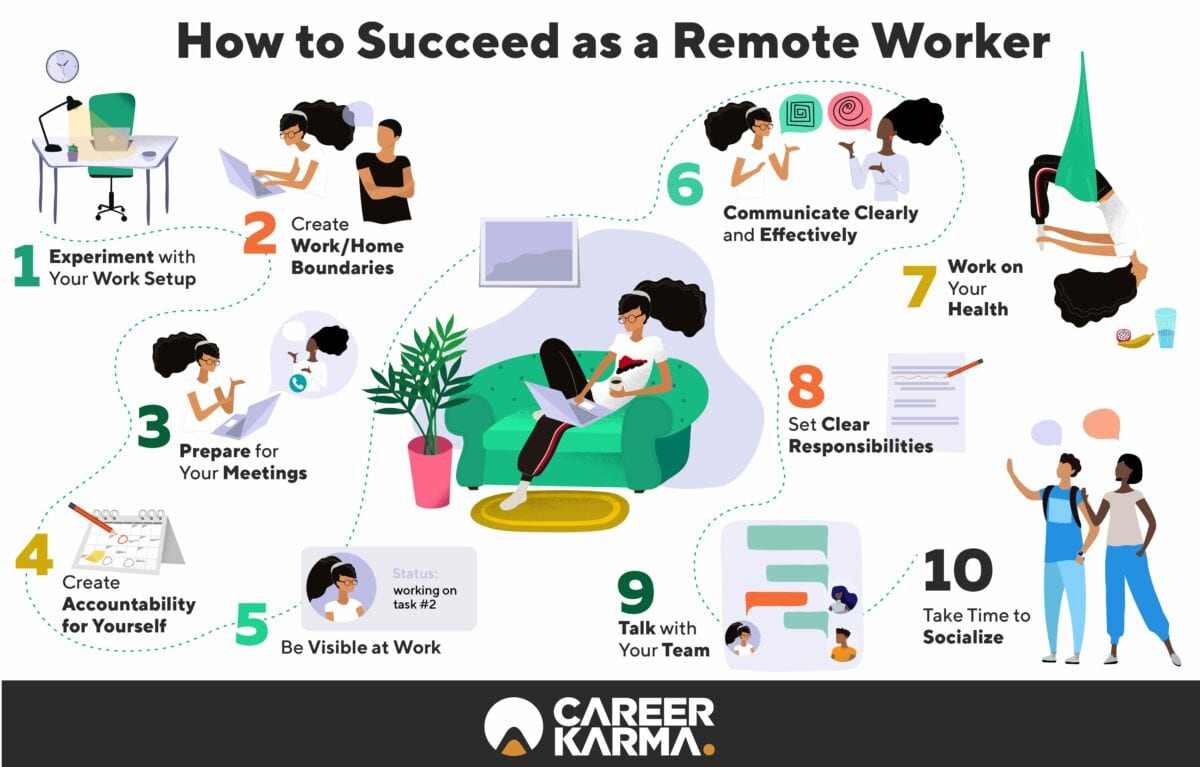
But remote work also requires new skills. Communication becomes more important. Time management becomes essential. The ability to work independently and stay motivated becomes a key factor.
For someone looking ahead, remote work offers a powerful path. It allows you to build a career without being limited by geography. It opens doors to global opportunities and diverse experiences.
The future of work is not tied to a single place.
It is built on connection, technology, and the willingness to adapt.
And for those ready to embrace it, remote careers will continue to grow—not just in the next few years, but for a long time to come.