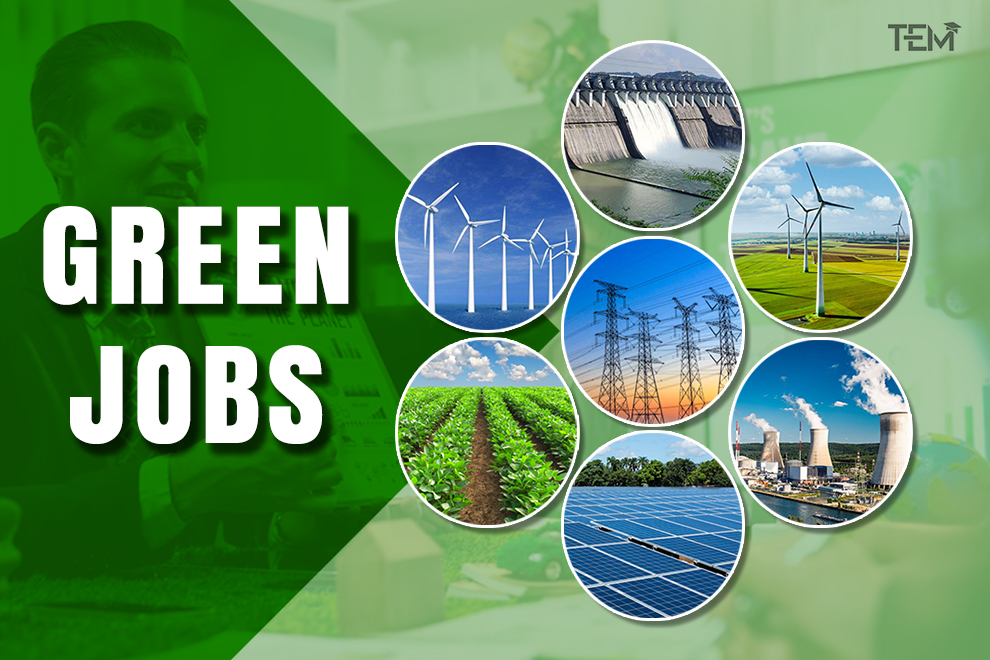
Early in the morning, the sun rises over a quiet landscape. In one corner, rows of solar panels begin to capture light. In another, tall wind turbines slowly turn with the breeze. Somewhere nearby, a team of engineers checks data on a tablet, making sure everything runs smoothly.
This is not a scene from the distant future. It is already happening.
Around the world, people are beginning to realize that the way we live, produce, and consume needs to change. Climate change, pollution, and resource shortages are no longer distant problems—they are part of everyday conversations. Governments, companies, and communities are all looking for solutions.
And with this shift comes something powerful—new careers.
Green jobs are not just about saving the environment. They are about building a better, more sustainable way of living. They combine science, technology, and human effort to create systems that can support the planet for generations to come.
If you look closely, you will see that this movement is creating opportunities across industries. Let’s explore where these careers are taking shape.
Clean Energy Careers Powering the Future
The first and most visible shift is happening in energy.
For decades, the world depended heavily on fossil fuels. But now, countries are investing in cleaner alternatives. Solar, wind, and other renewable sources are growing rapidly, and they need skilled professionals to support them.
Solar Energy Technicians and Engineers are at the forefront of this change. They design, install, and maintain solar panels for homes, businesses, and large-scale projects. As solar energy becomes more affordable, the demand for these roles continues to rise.
Wind energy is also expanding. Wind Turbine Technicians and Engineers work on massive structures that generate electricity from wind. These roles often involve hands-on work, problem-solving, and the ability to work in challenging environments.
Beyond installation, there is a need for planning and innovation. Renewable Energy Engineers design systems that make clean energy more efficient and accessible. They work on improving technology and finding new ways to harness natural resources.
Energy storage is another critical area. Renewable energy sources like solar and wind are not always consistent, so storing energy becomes essential. This creates opportunities for Battery Technology Specialists and Energy Storage Experts.
There is also a growing focus on energy management. Companies and cities want to use energy more efficiently. This leads to roles for Energy Analysts and Energy Efficiency Consultants who help reduce waste and optimize usage.
These careers are not just technical—they are essential for building a cleaner and more reliable energy system.
Sustainability Careers Transforming Industries
The shift toward sustainability goes beyond energy. It is changing how businesses operate in every sector.
Companies are now expected to think about their environmental impact. This includes how they source materials, produce goods, and manage waste. To handle this, organizations are hiring Sustainability Consultants and ESG Specialists who guide them toward responsible practices.
Waste management is becoming a major focus. Instead of simply disposing of waste, industries are looking for ways to recycle and reuse materials. This creates opportunities for Waste Management Experts and Circular Economy Specialists.
Sustainable agriculture is also growing. Farmers are using methods that protect the soil, conserve water, and reduce chemical use. This opens doors for Sustainable Agriculture Specialists and AgriTech Professionals who combine traditional farming knowledge with modern tools.
Urban planning is evolving as well. Cities are expanding, and there is a need to design spaces that are environmentally friendly. This leads to roles for Urban Planners and Green Building Architects who focus on sustainable infrastructure.
Water management is another critical area. With increasing demand and limited resources, managing water efficiently is essential. This creates careers for Water Resource Specialists and Environmental Engineers.
Supply chains are also being redesigned. Companies are looking for ways to reduce emissions and operate more responsibly. This increases demand for Sustainable Supply Chain Managers who can balance efficiency with environmental concerns.
These careers show that sustainability is not just a trend—it is becoming a core part of how industries function.
Green Innovation and Future Opportunities
As the world focuses on sustainability, innovation is opening new doors.
Technology is playing a key role in this transformation. Green Tech Developers are creating tools and systems that help reduce environmental impact. From smart grids to energy-efficient devices, their work is shaping the future.
Carbon management is another emerging field. Companies are trying to measure and reduce their carbon footprint. This creates roles for Carbon Analysts and Climate Policy Experts who track emissions and develop strategies to lower them.
Electric vehicles are becoming more common, leading to demand for EV Engineers and Battery Specialists. These professionals work on improving vehicle performance, charging infrastructure, and energy efficiency.
There is also growing interest in environmental research. Scientists are studying ecosystems, climate patterns, and biodiversity to understand how to protect the planet. This creates opportunities for Environmental Scientists and Conservation Experts.
Entrepreneurship is playing a role as well. Many individuals are starting businesses focused on sustainability—whether it’s eco-friendly products, renewable energy solutions, or waste reduction services. This makes green entrepreneurship an exciting path for those who want to create change.
Education and awareness are also important. As more people become interested in sustainability, there is a need for Educators and Advocates who can share knowledge and inspire action.
Even finance is changing. Investors are looking at environmental impact before making decisions. This creates opportunities in Sustainable Finance and Green Investment Analysis.
These roles are not just about responding to problems—they are about building solutions.
The rise of green jobs is not just about careers. It is about a shift in thinking.
The world is moving toward a future where growth and sustainability must go hand in hand. This creates opportunities for people who are willing to be part of that change.
For someone planning their career, this is an exciting moment. Green jobs offer not only stability and growth, but also a sense of purpose. They allow individuals to contribute to something larger than themselves.
The path may not always be clear, but the direction is.
Learning about sustainability, understanding technology, and staying open to new ideas will make a difference. Whether it is working in clean energy, designing sustainable systems, or building eco-friendly businesses, there are many ways to be part of this journey.
Because in the end, these careers are not just about earning a living.
They are about shaping the future of the planet itself.