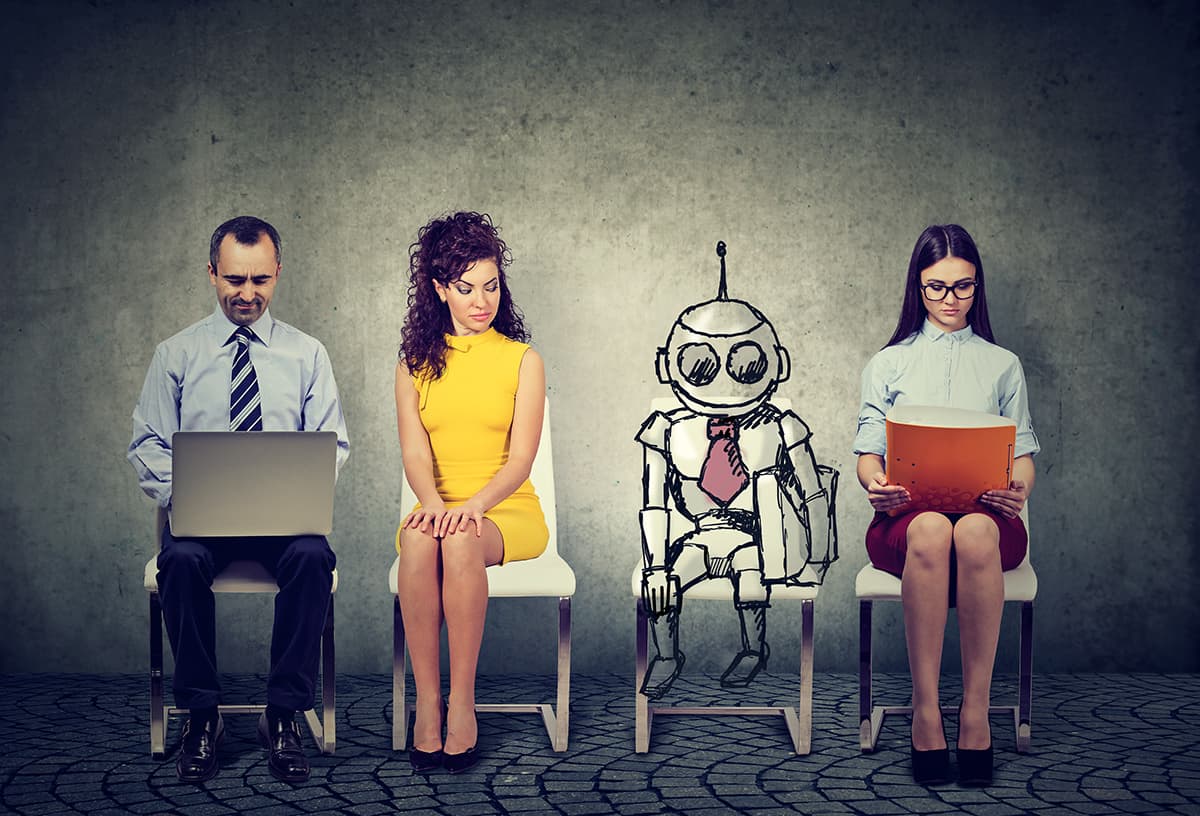
Late at night, someone scrolls through news about artificial intelligence. Headlines talk about machines writing content, robots working in factories, and software making decisions once handled by humans. A quiet thought begins to grow—will there still be jobs for people?
It’s a question many are asking today.
The truth is, AI and automation are changing the way we work. Some tasks will disappear, some roles will evolve, and entirely new careers will emerge. But there is another side to this story—there are jobs that machines cannot easily replace.
These are careers built on something deeper than repetition or routine. They rely on human judgment, creativity, empathy, and the ability to deal with uncertainty. They are not just about doing a task; they are about understanding people, solving complex problems, and adapting to change.
If you look closely, you will see that the future is not about humans versus machines. It is about humans doing what they do best, while machines handle the rest.
Let’s explore where those future-proof careers lie.
Careers Built on Human Creativity and Thinking
One of the biggest strengths humans have is creativity.
Machines can generate content, suggest ideas, and even create designs. But true creativity—original thinking, storytelling, and emotional connection—still comes from people. This is why careers in creative fields will continue to thrive.
Writers, Filmmakers, Designers, and Content Creators bring ideas to life in ways that connect with human emotions. Whether it’s a powerful story, a memorable advertisement, or a unique design, these roles depend on imagination and perspective.
User experience design is another area where human thinking plays a key role. UX/UI Designers don’t just create interfaces—they understand how people feel when they use a product. They think about simplicity, comfort, and ease, something machines cannot fully replicate.
Problem-solving is another human strength. In complex situations where there is no clear answer, people must rely on judgment and reasoning. This is why careers like Business Analysts, Strategy Consultants, and Product Managers will remain important. They help organizations make decisions in uncertain environments.
Innovation is also deeply human. While AI can assist, it is people who ask new questions, challenge assumptions, and imagine possibilities. This creates space for Innovation Managers and Entrepreneurs who build new ideas and shape industries.
Creative and strategic roles are not just safe—they are essential in a world filled with automation.
Careers That Depend on Human Connection and Empathy
Technology can process data, but it cannot truly understand human emotions.
This is why careers built on empathy and connection will always be in demand.
Healthcare is one of the strongest examples. Doctors, nurses, and caregivers do more than treat illnesses—they comfort patients, explain complex situations, and provide emotional support. This human touch cannot be replaced by machines. Healthcare Professionals will always be needed, even as technology becomes more advanced.
Mental health is another area where human connection is critical. Psychologists, Therapists, and Counselors help people navigate emotions, stress, and life challenges. These conversations require trust, understanding, and empathy—qualities that machines cannot fully replicate.
Education also depends heavily on human interaction. While online learning and AI tools can assist, students still need guidance, encouragement, and mentorship. This keeps Teachers, Coaches, and Educators relevant in the future.
Customer-facing roles are evolving as well. In a world of automated responses, people still value genuine interaction. This creates opportunities for Customer Experience Specialists and Relationship Managers who can build trust and loyalty.
Human resources is another field rooted in people. Managing teams, resolving conflicts, and building a positive workplace culture require emotional intelligence. This is why HR Professionals and Organizational Development Experts will continue to play a key role.
Leadership itself cannot be automated. Leading a team, making difficult decisions, and inspiring others require a human presence. This ensures that Leaders, Managers, and Mentors remain essential in every industry.
These careers remind us that while machines can assist, they cannot replace the human ability to connect.
Careers That Involve Complex Real-World Skills
Not all work happens behind a screen.
There are many careers that involve physical environments, unpredictable situations, and hands-on skills. These roles are difficult to automate because they require adaptability and real-world experience.
Skilled trades are a strong example. Electricians, Plumbers, Technicians, and Mechanics work in environments that change constantly. Each situation is different, requiring practical knowledge and quick thinking.
Emergency services are another area where human presence is essential. Firefighters, Police Officers, and Disaster Response Teams operate in high-pressure situations where decisions must be made instantly. These roles depend on courage, judgment, and teamwork.
Healthcare support roles also fall into this category. Physiotherapists, Caregivers, and Rehabilitation Specialists work closely with patients, often in ways that require physical interaction and adaptability.
Agriculture is evolving with technology, but it still relies on human understanding of land, weather, and crops. This creates opportunities for Farmers and AgriTech Professionals who can combine traditional knowledge with modern tools.
Construction and infrastructure development also require human expertise. Engineers, Architects, and Construction Managers deal with real-world challenges that cannot be fully predicted or automated.
Another interesting area is environmental work. As the world focuses on sustainability, Environmental Scientists and Conservation Experts are needed to manage natural resources and protect ecosystems.
Even in advanced industries, hands-on roles remain important. Aerospace Technicians and Field Engineers work with complex systems in real environments, requiring precision and adaptability.
These careers show that the physical world still needs human skills, even in a digital age.
The idea that machines will replace all jobs is not accurate. What is really happening is a shift.
Routine tasks are being automated, but human strengths are becoming more valuable.
The future belongs to people who can think creatively, connect with others, and adapt to new situations. It belongs to those who can work alongside technology, not compete with it.
For someone planning their career, the goal is not to avoid technology. It is to understand it—and then build skills that go beyond it.
Learning how to solve problems, communicate effectively, and think independently will always be valuable. These are skills that cannot be easily programmed or replaced.
The world will continue to change, and new tools will continue to appear. But human qualities—creativity, empathy, and adaptability—will remain constant.
Because in the end, the most future-proof careers are not just about what you do.
They are about what makes you human.